How Soil Moisture Sensors and Irrigation Automation Work Together?
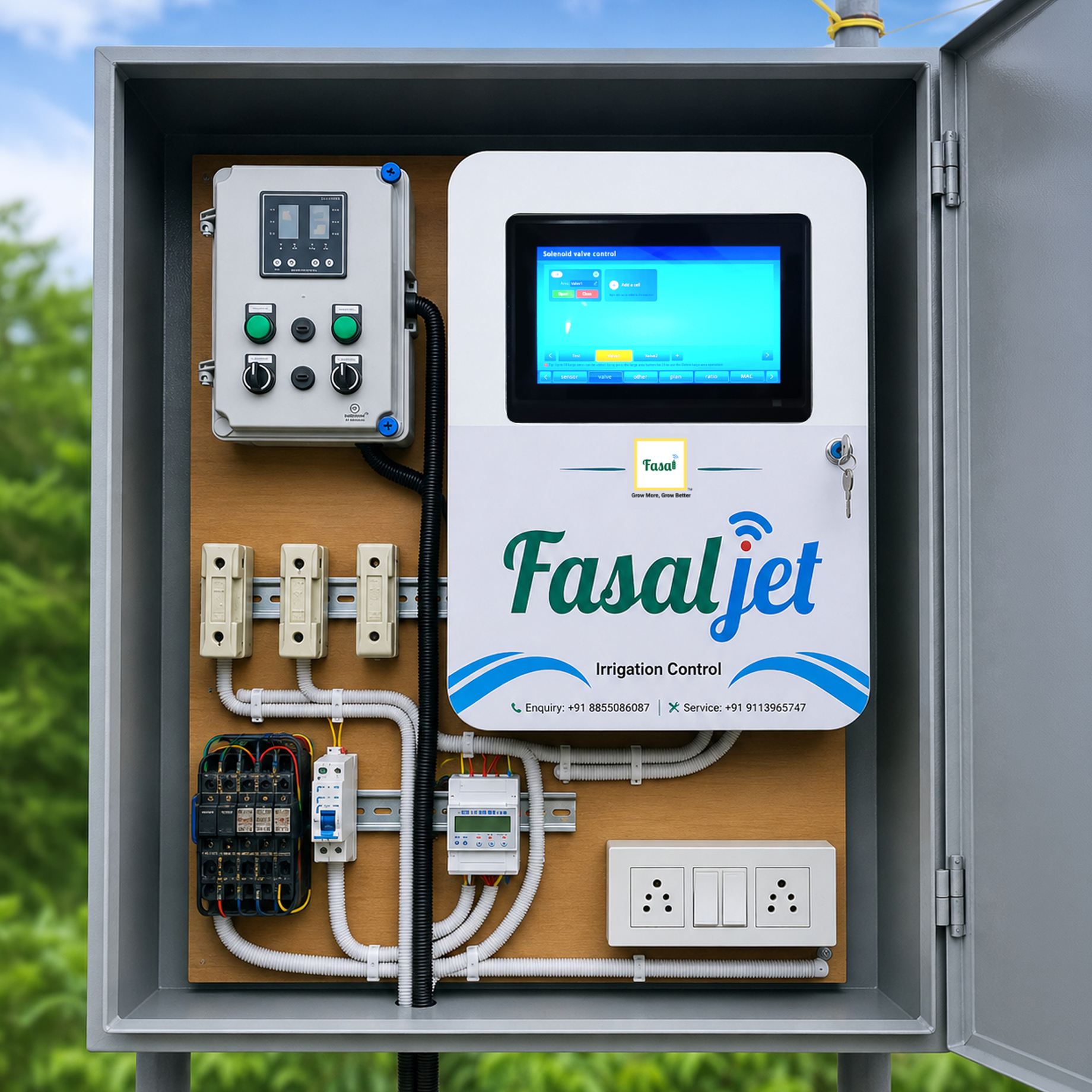
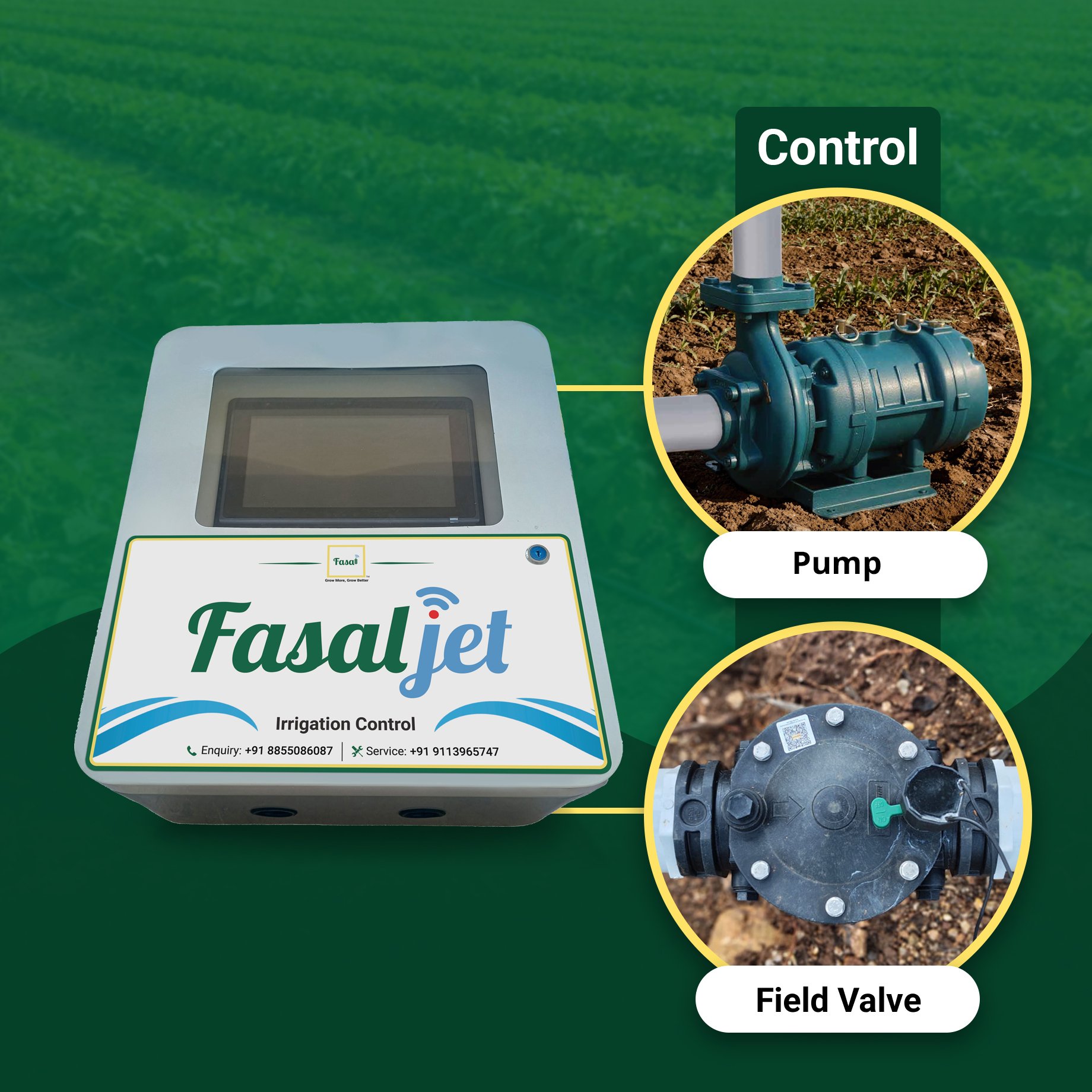
The combination of these two technologies creates a more efficient irrigation process. First, soil moisture sensors continuously monitor moisture levels in the soil. Farmers can use this information to determine when irrigation is required. The irrigation automation system can then control the irrigation operation according to the configured schedules or trigger settings. Farmers can also monitor and operate the system remotely through their mobile.
This combination connects
irrigation intelligence with irrigation control, helping farmers reduce guesswork and manual intervention.
Benefits of Combining Soil Moisture Sensors with Irrigation Automation
1. Saves Water
Efficient farm water management starts with applying water only when irrigation is required and also at right time. Smart irrigation system helps reduce unnecessary water usage while ensuring crops receive adequate moisture.
2. Reduces Electricity Costs
Avoiding unnecessary irrigation cycles can reduce pumping hours and help lower electricity consumption.
3. Reduces Manual Effort
FasalJet automatic irrigation system allows farmers to control irrigation operations remotely, reducing the need for repeated farm visits and manual operation of pumps and valves.
4. Improves Crop Health
Maintaining suitable soil moisture conditions supports better root development and reduces crop stress caused by inconsistent irrigation.
5. Better Nutrient Utilization
Excessive irrigation can move nutrients away from the root zone. Better irrigation management can help improve fertilizer utilization, particularly in drip fertigation.
6. Supports Sustainable Farming
Using water more efficiently is increasingly important for long-term agricultural productivity. Smart irrigation helps farmers manage available water more responsibly.
Why Soil Moisture Monitoring Is Important?
What happens beneath the soil surface cannot always be identified through visual crop observation. Soil moisture sensors provide real-time information about the water available in the root zone. This helps farmers make irrigation decisions based on actual field conditions rather than only fixed schedules or visual signs or guesswork. When this monitoring is combined with irrigation automation, farmers can connect
real-time field information with irrigation control.
Choosing the Right Irrigation Strategy
Every farm has different crops, soil types, weather conditions, and water requirements. An effective irrigation strategy should consider:
▪️ Crop growth stage
▪️ Soil moisture levels
▪️ Weather conditions
▪️ Water availability
▪️ Irrigation system efficiency
Combining accurate soil moisture data with irrigation automation can help farmers improve irrigation efficiency while reducing unnecessary water usage and manual effort.
Conclusion
Smart irrigation is not simply about monitoring soil moisture or automating irrigation separately. The real advantage comes from
bringing both technologies together. Soil moisture sensors help farmers understand when farm need water, while irrigation automation helps control irrigation efficiently and remotely. Solutions such as
Fasal Soil Moisture Sensors and FasalJet Irrigation Automation bring these capabilities together to support better water management, reduce manual effort, and improve irrigation practices.
As agriculture becomes more data-driven, integrating soil moisture sensors with irrigation automation can help farmers move toward more
water-efficient, precise, and sustainable farming.
.svg)