From Fixed Irrigation Schedules to Data-Driven Decisions
Traditional irrigation often relies on fixed schedules, past experience, or visual observation. However, irrigation requirements can change depending on weather conditions, soil moisture, crop stage, and other field conditions.Smart irrigation management uses real-time field information to support better decisions.
Soil moisture monitoring: Soil moisture sensors measure moisture levels at different root-zone depths. This helps growers understand the moisture conditions around the crop roots and make informed irrigation decisions.
Weather monitoring: Weather stations collect local environmental information such as temperature, humidity, rainfall, and other weather parameters. This information helps growers understand changing weather conditions and plan irrigation accordingly.
Both technologies support irrigation planning and decision-making. However, monitoring field conditions and operating an irrigation system are two different functions. For remote irrigation operations, a dedicated irrigation automation system is required.
What Are the Key Technologies of Smart Irrigation Systems?
A smart irrigation setup can include different technologies depending on the farm's requirements and existing infrastructure.
1. Soil Moisture Monitoring and Irrigation Advisory
Soil moisture sensors help growers understand how much moisture is available in the soil at different root-zone depths.The data received through these sensors helps identify changing soil moisture conditions and supports irrigation decisions. Instead of depending only on fixed schedules, growers can consider actual field conditions when planning irrigation.
2. Weather Monitoring and Irrigation Planning
Weather stations provide local weather information that helps growers understand environmental conditions affecting their crops.Parameters such as temperature, humidity, rainfall, and other weather conditions can influence crop water requirements. Advisories help growers plan irrigation with better awareness of changing environmental conditions.
3. Irrigation Automation and Remote Control
Monitoring provides information, but irrigation automation takes the process further.An irrigation automation system allows growers to operate compatible pumps/motors, and field valves through a mobile application or predefined schedules. Depending on the system configuration, growers can remotely start, stop, and schedule irrigation operations. This can reduce repetitive manual operations, particularly on farms with multiple irrigation blocks.
4. Fertigation Automation
For farms using drip irrigation to apply fertilizers, fertigation automation can further simplify farm operations.A fertigation automation system helps execute planned fertigation operations more precisely.These technologies can work together as part of a broader smart irrigation management setup. However, every farm may not require all these capabilities.
How Fasal Supports Smart Irrigation Management?
Fasal offers different technologies for field monitoring, advisory, and irrigation and fertigation automation.
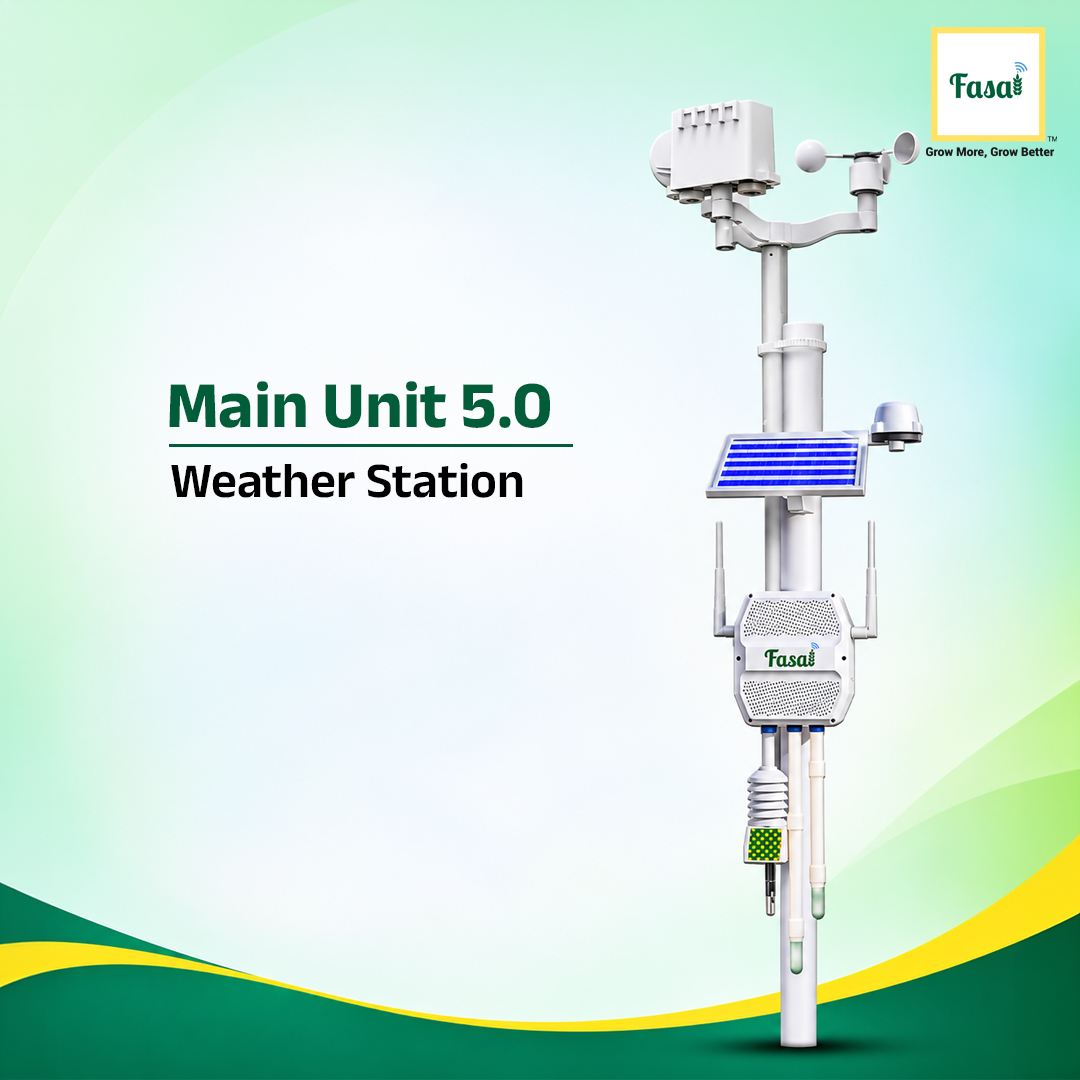
Fasal Main Unit 5.0 – Weather Station
Fasal Main Unit 5.0 provides weather information and crop-specific advisories to help growers understand changing field conditions.Its capabilities include irrigation advisories, growing degree day tracking, pest and disease predictions, and spraying advisory etc.These insights help growers make informed farm management and irrigation decisions.
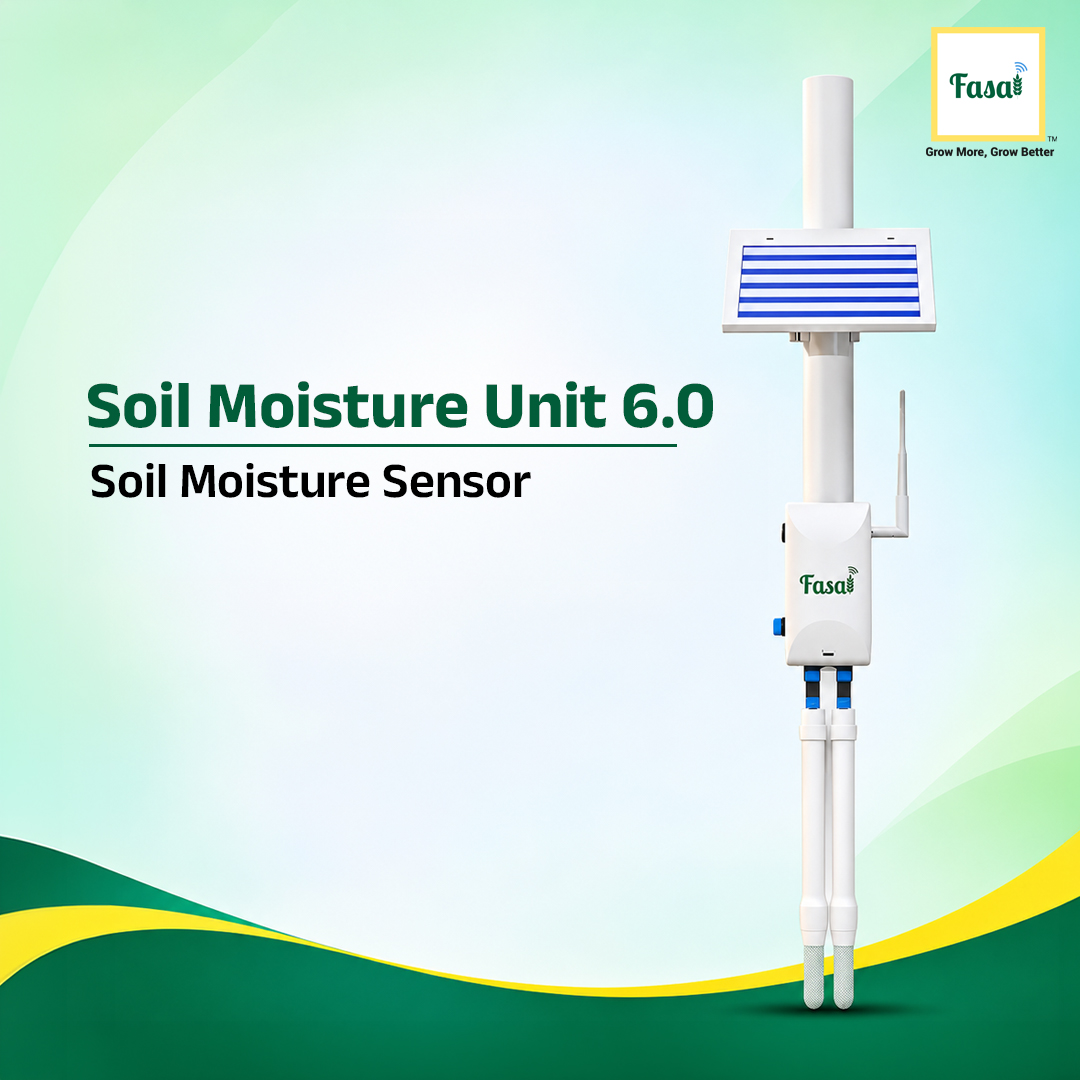
Fasal Soil Moisture Unit 6.0 – Soil Moisture Sensor
Fasal Soil Moisture Unit 6.0 monitors soil moisture at primary and secondary root-zone depths, along with soil temperature.The information is available through the mobile application, helping growers understand moisture conditions around the crop roots and make informed irrigation decisions.
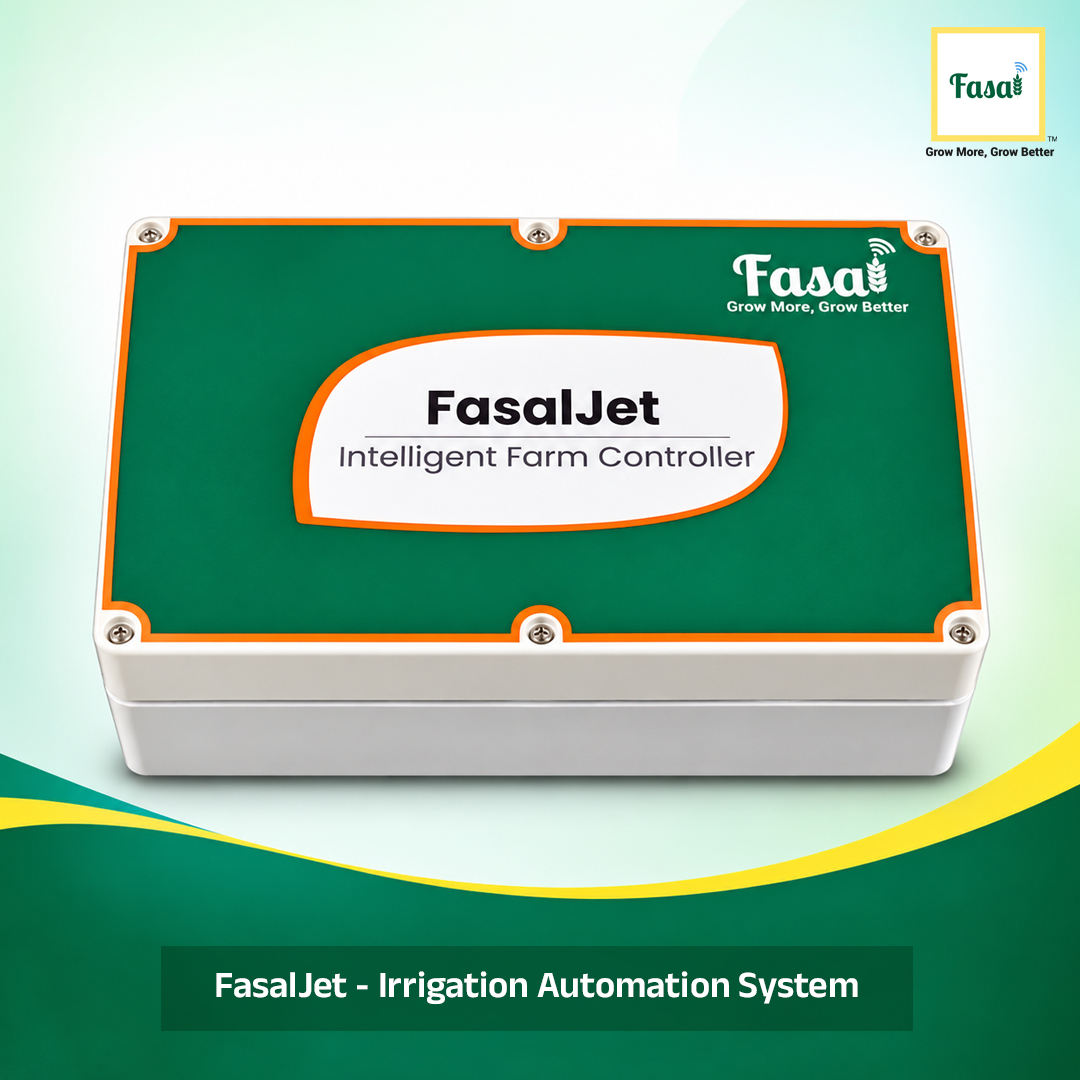
FasalJet – Smart Irrigation Automation
FasalJet is an
irrigation automation solution that allows growers to remotely operate drip irrigation systems through mobile phones. Through the mobile application, growers can start, stop, and schedule irrigation operations. The system can also automatically resume interrupted operations when power returns.It helps simplify irrigation management, particularly on farms with multiple irrigation blocks and field valves.
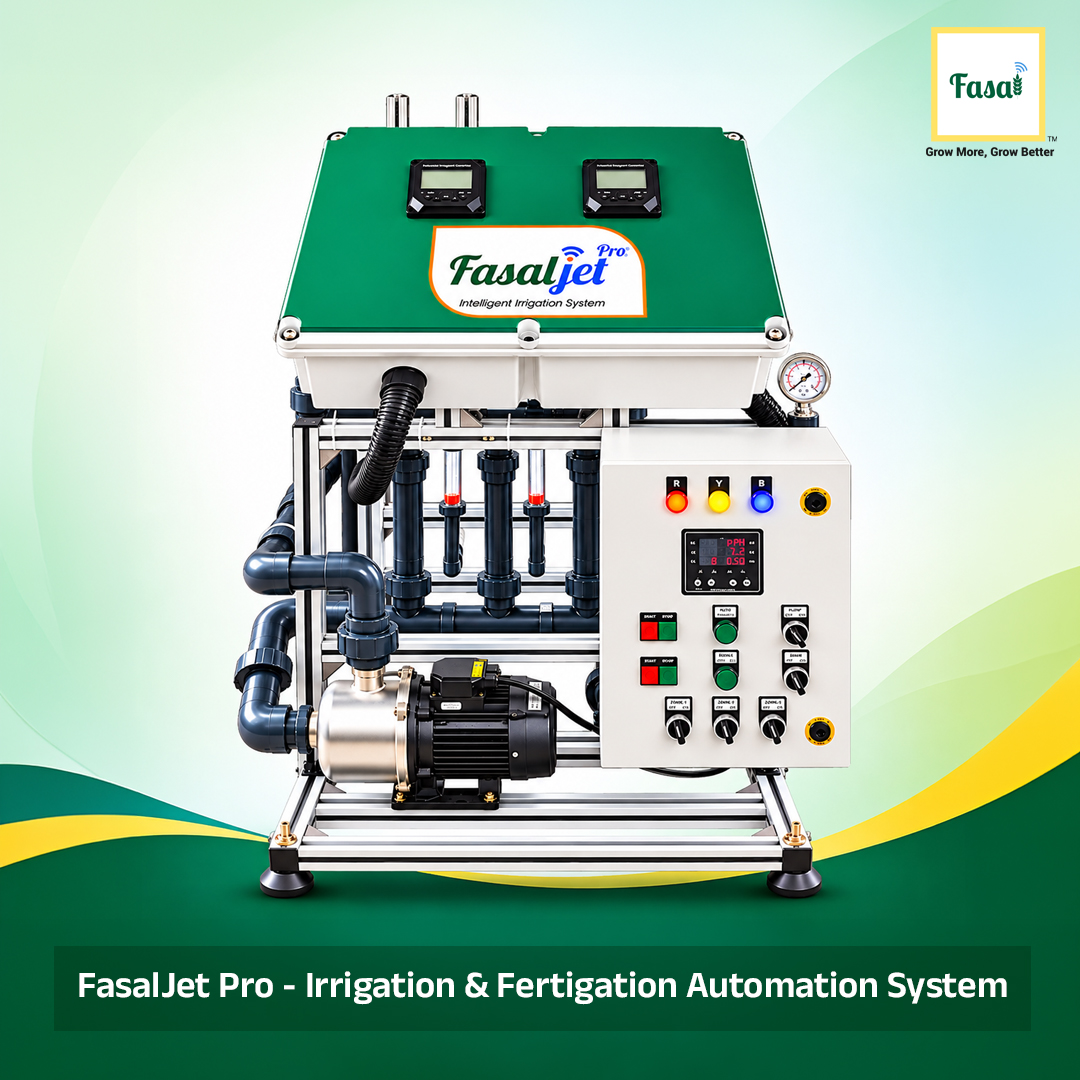
FasalJet Pro – Smart Irrigation and Fertigation Automation
FasalJet Pro extends automation beyond irrigation to include
fertigation operations. It allows growers to automate irrigation and fertilizer application. Growers can also monitor and manage operations through a mobile application. This helps coordinate irrigation and fertigation operations while reducing the need for repetitive manual intervention.


 Text Link